
ABOUT
Oki Pie
Hi! I’m Oki Pie!
I LOVE making things!
When I build, paint, sculpt, collage, write poems or short stories with my family and friends - we don’t worry about being perfect.
We just CREATE.
Sometimes we make things to solve problems,
and sometimes, we create just to slow down and feel whatever we need to feel.
You can learn about my creative adventures through the stories & events featured on this website!
For Caregivers and Educators
Program
GOALS
Oki is the mascot of an Expressive Arts education program for families of children ages 5-10, offered in partnership with public libraries, museums and makerspaces in the San Francisco Bay Area. Our virtual workshops welcome a global audience. Expressive Arts offer a nonjudgmental, intermodal, and wellbeing-oriented experience as laid out by the International Expressive Arts Therapy Association. Each workshop begins with a short story where Oki solves a community challenge with help from other characters, and this story serves as the theme for follow-up activities.
The overarching goal of the program is offering expressive arts as an intergenerational wellbeing practice, through lighthearted short stories about quirky characters with interesting problems, that support creative joy and intergenerational connections
Creative Joy
Our art workshops invite intermodal creation - moving fluidly between different artistic mediums (such as writing, dance, music, and visual art) to explore emotions in many ways. These diverse activities prioritize process over product through intermodal transfer which has three scientific benefits:
Multisensory integration (linking different sensory inputs) is the neuroscientific process where various brain regions communicate to create a holistic perception of an experience, rather than keeping data in silos.
Cognitive flexibility (transitioning between artistic mediums) is a cognitive psychology exercise that allows the brain to bypass repetitive "thought loops" and the inner critic to discover novel creative solutions.
Bilateral stimulation (engaging both hemispheres of the brain) is a neurobiological mechanism using rhythmic movement or art to process "stuck" emotions that language centers cannot access through words alone.
Intergenerational Connection
The workshops are built around shared engagement between children and adults of the family. This offers opportunities for intergenerational connection where both parties share their lived experiences through art.
Each workshop features a story followed by a reflection prompt, and multiple share circles for everyone to express their process. This reflection and sharing invites metacognition, self-awareness, and self-discovery which ultimately support relational intelligence
Metacognition (thinking about thinking) is the awareness of your own mental processes and your ability to understand, control, and guide them.
Self-awareness is the immediate, conscious recognition of our current thoughts, emotions, and behaviors.
Self-discovery is the deeper, ongoing process of uncovering the "why" behind those patterns, such as core values, passions, and authentic self. Together, they form a cycle: discovery provides the map, while awareness acts as the compass.
Relational Intelligence is the ability to read, navigate, and nurture the nuances of relationships through better interactions, trust-building, and resolving conflicts.
Learning Sciences as an interdisciplinary field could benefit from integrating wellbeing-oriented philosophies from intermodal expressive arts as laid out by the International Expressive Arts Therapy Association. This methodology pairs well with learning design, early childhood education research, and child development.
For Learning Scientists & Learning Designers
Backed by
RESEARCH
Expressive Arts as an approach to Well-being
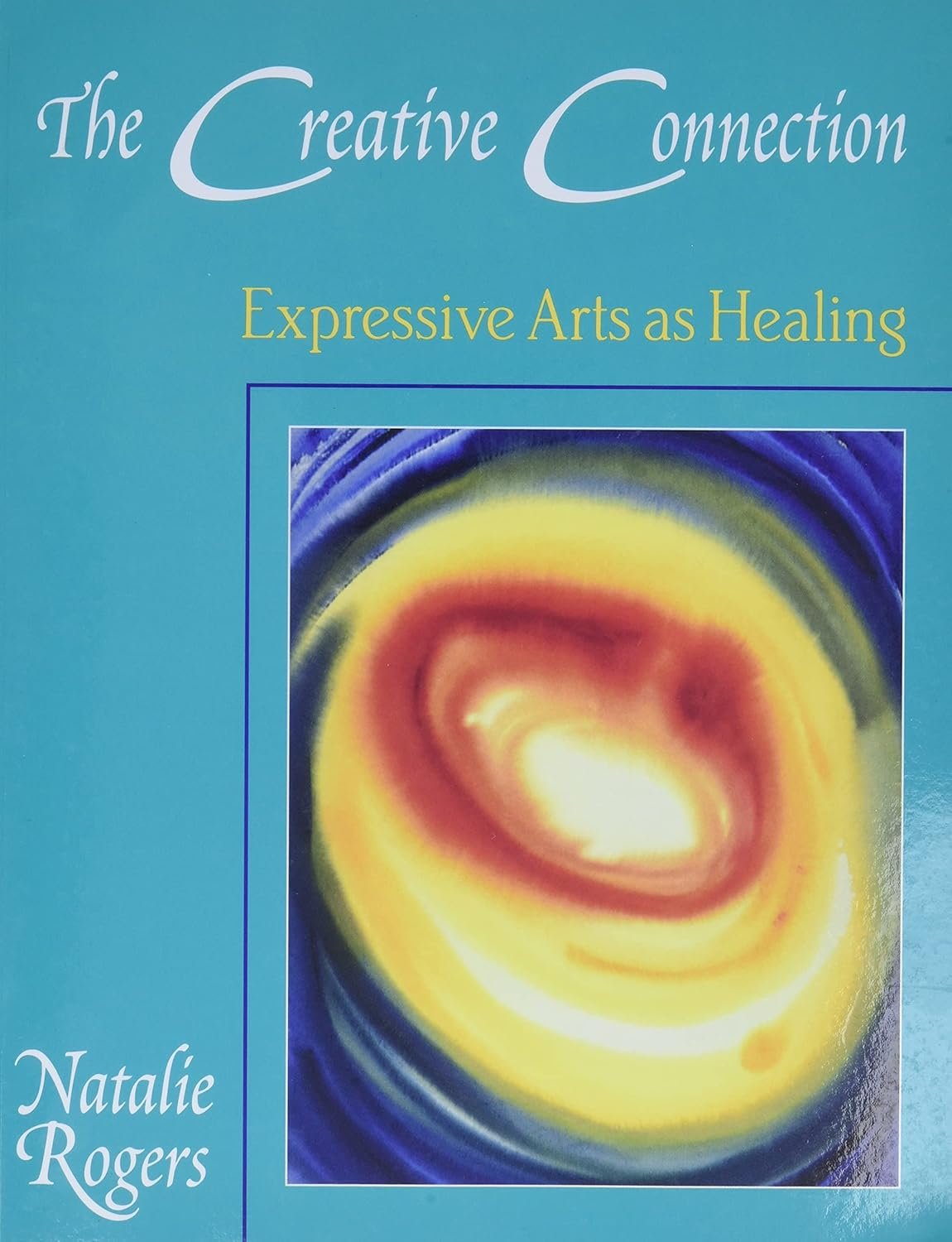
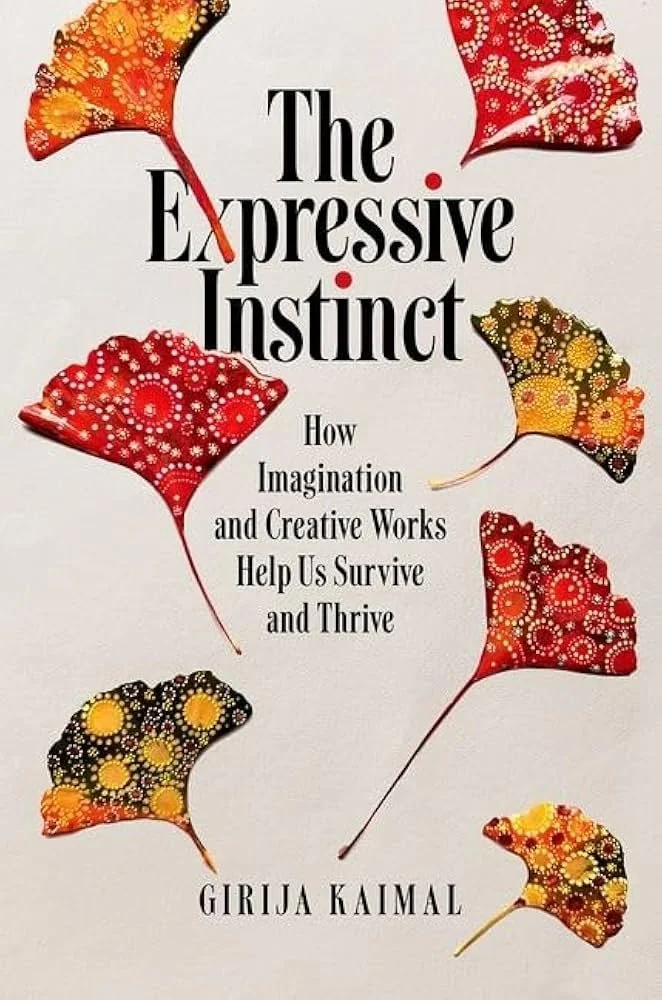
In The Creative Connection, Dr. Natalie Rogers reveals that fluidly shifting between different creative mediums deepens emotional insight and self-discovery. Oki embraces this intermodal approach by encouraging children to try different types of creative activities in a thoughtful sequence. Grounding imagination and creative work in science, Dr. Girija Kaimal’s The Expressive Instinct reminds us that art-making is a fundamental neurobiological drive that actively lowers stress and builds resilience. We apply this research by designing accessible, everyday creative experiences that empower children to use their natural expressive instincts as a tool for proactive well-being.
Constructionism as the architecture of Creative Learning Environments
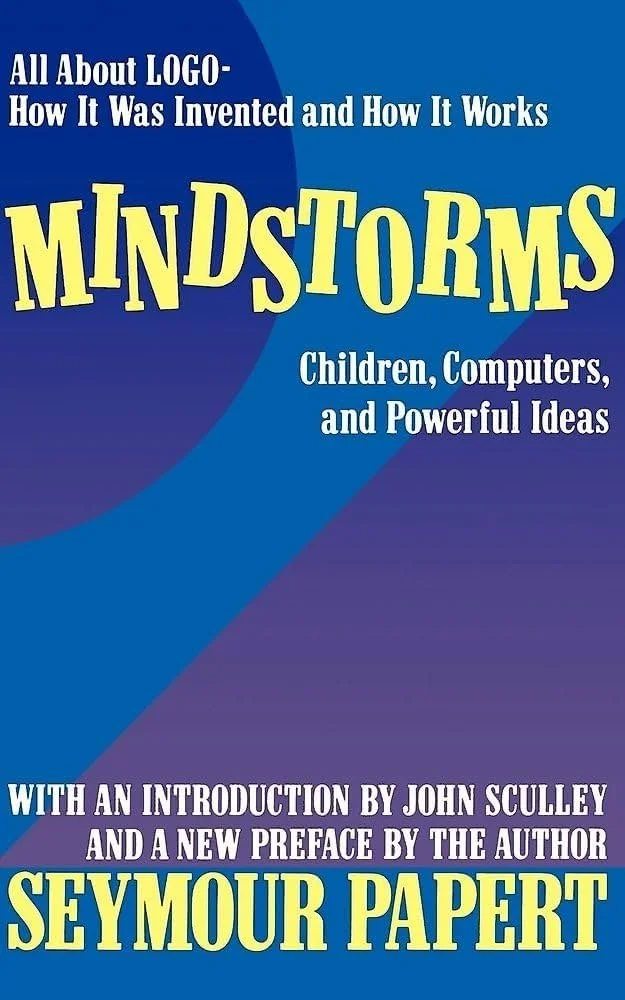
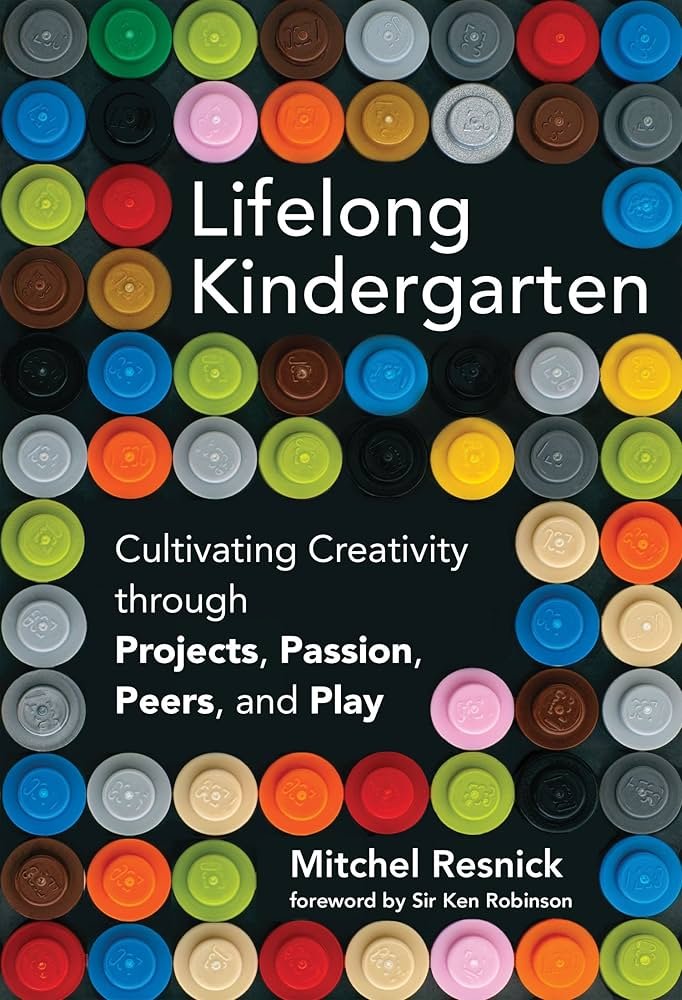
Rooted in Constructionism, our learning environments are designed with the metaphors of low floors, wide walls, and high ceilings so every child can begin easily, explore freely, and grow exponentially. The two books that have greatly influenced Oki’s approach to education are Dr. Seymour Papert’s Mindstorms and Dr. Mitch Resnick’s Lifelong Kindergarten. As Constructionism suggests, children make sense of the world by building internal knowledge structures through the active, hands-on process of creating physical and digital artifacts. We design our workshops and live events as learning environments where children have this opportunity of exploration and sense making through creation.
Relational Intelligence as an Interaction Design Value
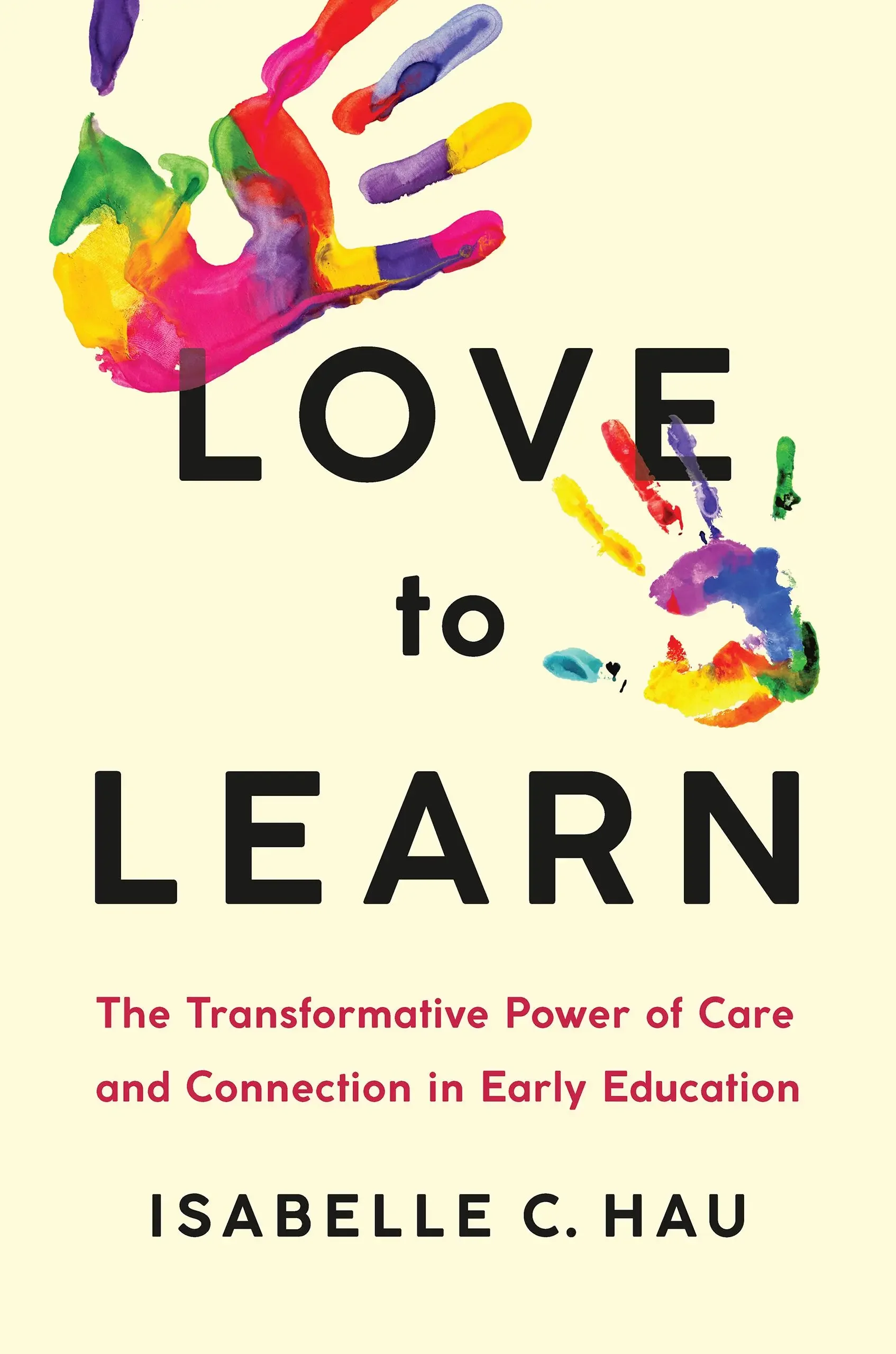
In Love to Learn, Isabelle Hau explains that developing Relational Intelligence (RQ) requires a shift toward relationship-centered learning, where active serve-and-return interactions directly build a child's brain architecture. The book advocates for anchoring a child in at least one strong adult relationship and prioritizing unstructured play are vital survival skills in an era of rising disconnection. To navigate an AI-driven world, there’s a growing need for relationally responsible tech that intentionally inspires collaboration rather than replacing human interaction. All Oki workshops and AI tools are designed for children and caregivers to experience together, creating direct opportunities to actively develop this relational intelligence.
Responsible Innovation as Tool Design Ethics
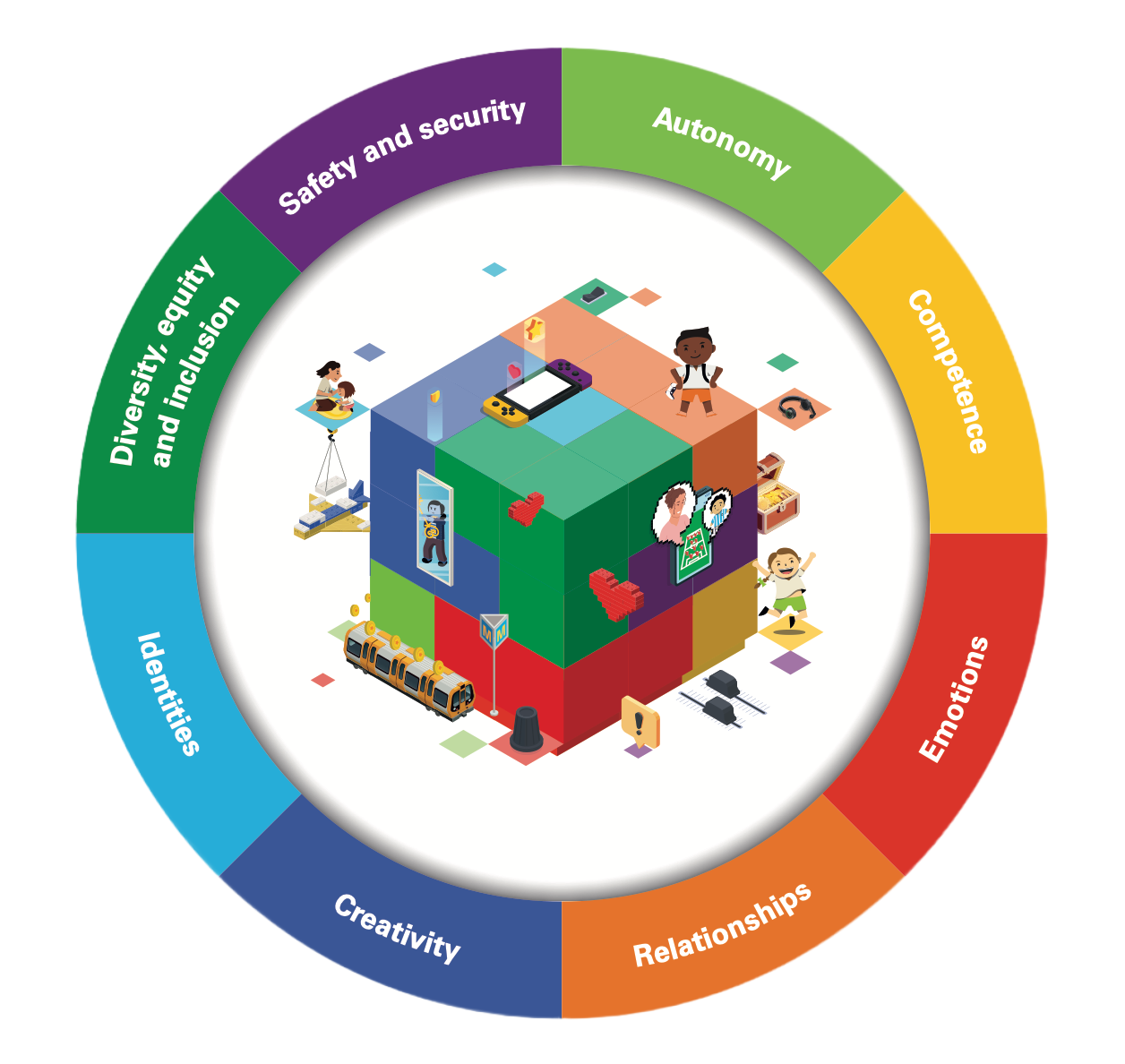
Responsible Innovation in Technology for Children (RITEC) is a global initiative led by UNICEF in partnership with the LEGO Foundation, the LEGO Group, the Joan Ganz Cooney Center and Games for Change to embed children’s wellbeing into everyday digital play design and development across the industry. Oki Pie Lab features several playful and interactive vibe coded workshop facilitation tools that consider aspects of the RITEC framework for design guidance. For example, the tools typically invite creative reflections, and the workshops built around these tools support healthy relationships between children and caregivers through an emotionally supportive experience.
Guided Improvisation as a Workshop facilitation style
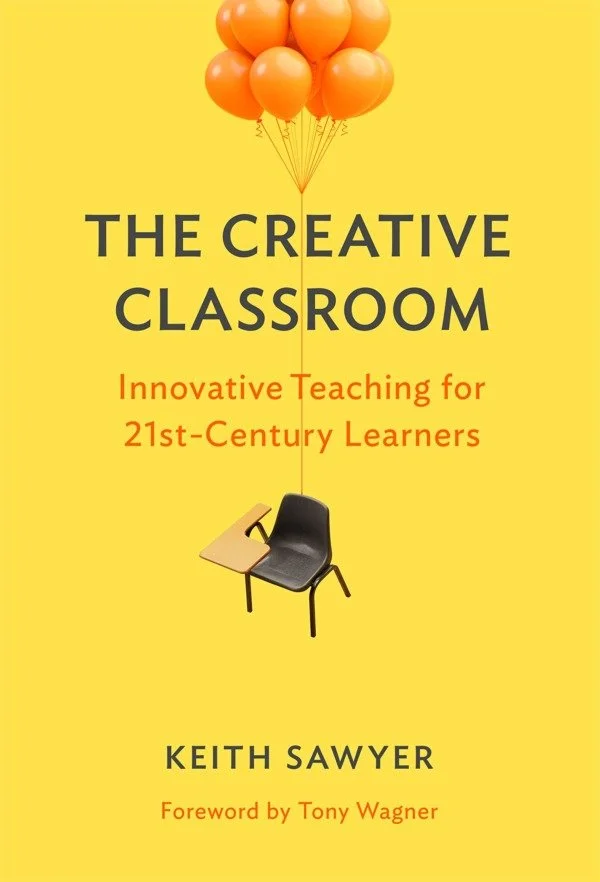
Dr. Keith Sawyer, a creativity researcher, defined guided improvisation as a pedagogy that balances teacher-led structure with student-centered exploration, where classrooms become collaborative, unpredictable, and emergent learning environments. With a background as a Jazz musician, Dr. Sawyer compares this approach to how Jazz musicians have an underlying architecture to their music which is improvised by reading the room - jamming with other musicians and responding to the mood of the audience. This serves as Oki’s workshop facilitation style - having a tentative outline and activity plan ready, but improvising it to meet the needs of the participants in the moment.
Design Thinking as a
Short story Structure
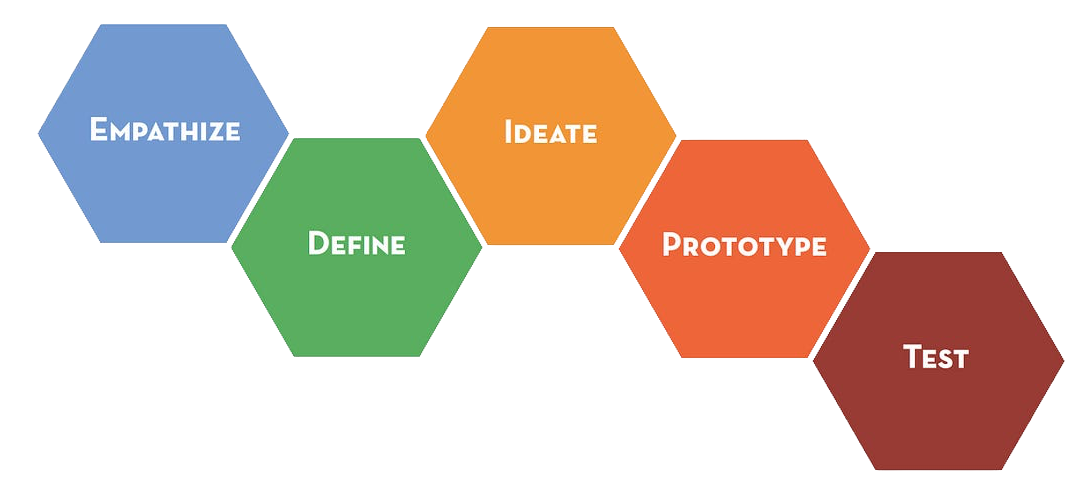
Oki’s problem-solving adventures are fictional low floor entry points for children to explore design thinking, described as Narrative Design Thinking by Dr. Sonia Tiwari. A typical story structure in our program is:
Empathize - A character expresses a feeling, frustration, or need
Define - A specific, clearly stated problem emerges within the story context
Ideate - The character may imagine possibilities or invite others to help think of ideas
Prototype - An early attempt or concept may be shown or hinted at, without resolving the challenge
Test - The story ends with an open moment that invites the child to build, test, or explore next steps
About our
TEAM
Sonia
Family Educator
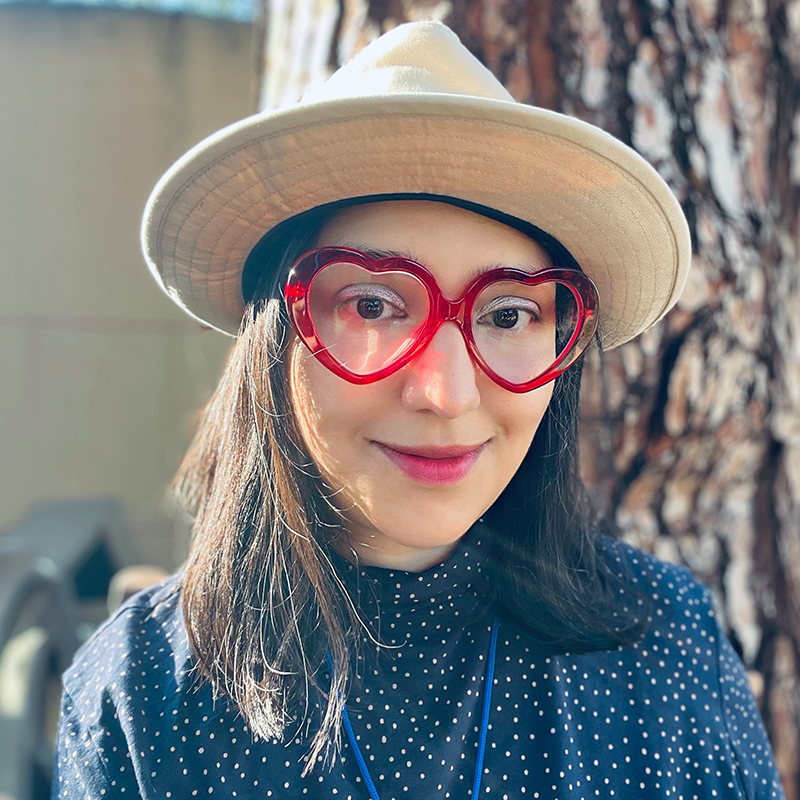
Dr. Sonia Tiwari is a children’s media researcher & artist. She facilitates the poetry, upcycling, and illustration workshops. She also vibe codes the tools featured in Oki Lab
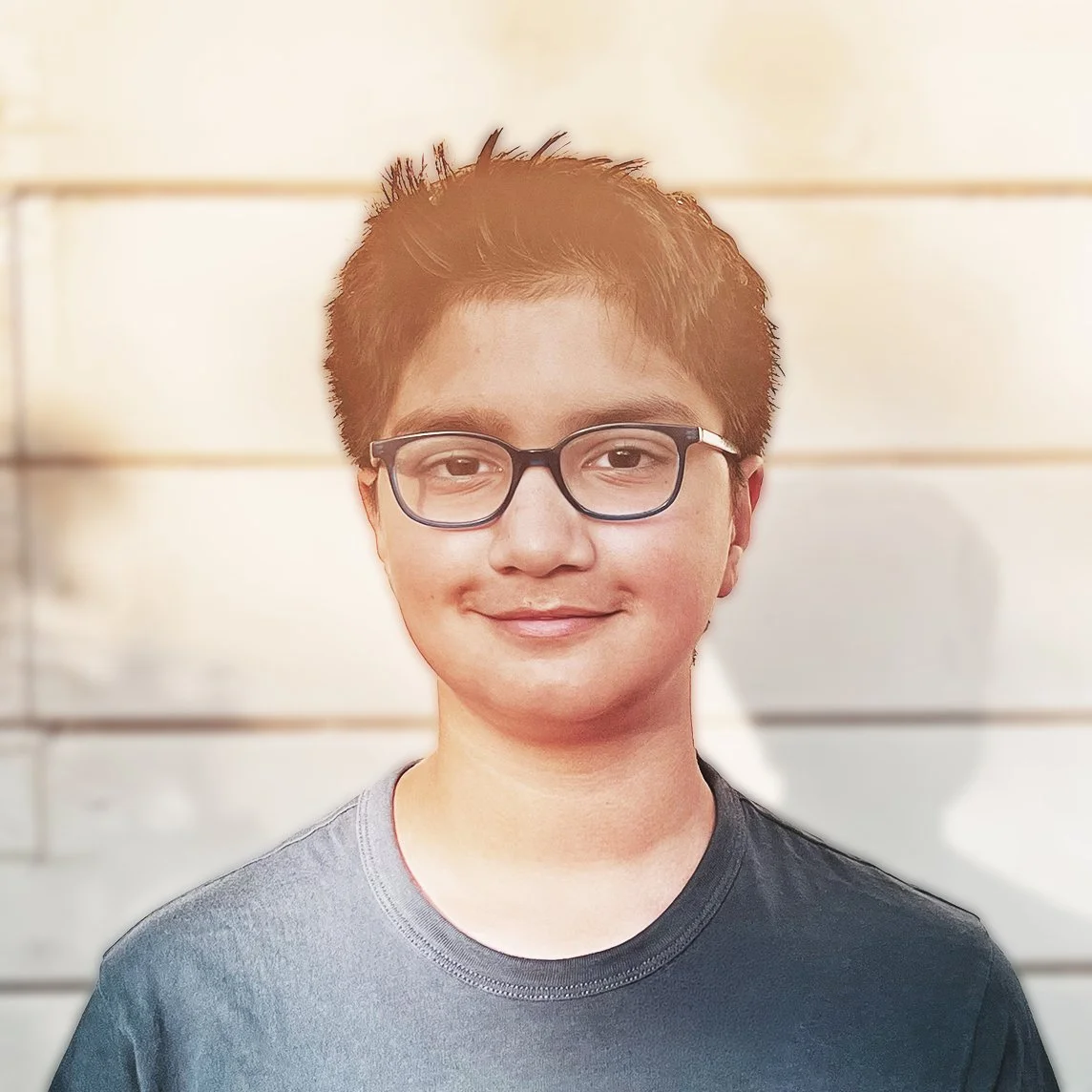
Mir
Youth Educator
Mir is a middle school student & maker. He supports the gaming, coding, and 3d printing workshops. He also designs product concepts & manages packaging and shipping.

June
Art Advisor
Eunjung June Kim is a notable Illustrator, UI/UX Designer, and Animator with clients such as Google, Warner Brothers and Disney. She advises our art & social media strategy.

Jennifer
Research Advisor
Dr. Jennifer Chen earned her EdD from Harvard GSE and was ranked among the world’s top 2% researchers by Stanford/ Elsevier. She mentors our research efforts.